AskAwayHealth
7 Reasons Your GP May Refuse to Prescribe Mounjaro
July 21, 2025
The introduction of Mounjaro under the NHS has sparked controversy with some people finding their GPs may refuse to prescribe Mounjaro.
Many NHS GPs and practices are finding it challenging to prescribe the drug at their patients’ request.

GPs face overwhelming challenges in providing Mounjaro due to surging patient demand.
According to DAUK, one practice received ~50 ineligible enquiries on rollout day a few weeks ago.
Why the spike in interest for getting this drug? Clearly, the desire to lose weight is primary. But the cost is a significant issue, too.
Mounjaro will cost most NHS patients the standard prescription charge, i.e, £9.90 per prescription (unless exempt). However private providers charge £150–£250 monthly – making NHS access vastly more affordable.
There are workforce (staffing) and resource constraints preventing safe management of Mounjaro in primary care. This is due to the complex eligibility criteria and mandatory monthly check-ups.
All this has been complicated by an inadequate rollout infrastructure including unclear local pathways and delay in “wrap-around care” services in some parts of the country.
This makes it tough for them to manage patient requests.
Dr. Samuel Finnikin, a GP in Sutton Coldfield, shares his concerns. “I’ve no idea how the service will work or how it will prioritise patients or who will provide the require wraparound support.”
This confusion is putting a lot of pressure on GPs. This article will look into why GPs are hesitant to prescribe Mounjaro, and 7 reasons your GP may refuse to prescribe it – even if you are overweight.
What’s Ahead
Understanding Mounjaro and Its Uses
It’s important for patients to understand Mounjaro’s uses and indications.
Mounjaro, (also known as Tirzepatide), is a medication that has gained attention for its health benefits – particularly for weight loss.
Overview of Mounjaro
Mounjaro is given as an injection. It mimics two natural hormones in the body. These hormones help control blood sugar and appetite.
This double action helps manage blood glucose levels and supports weight loss. It’s used for people with type 2 diabetes who need extra help.It’s also useful for weight management.
NICE has approved Mounjaro for treating both type 2 diabetes and weight loss (the latter in December 2024).
The NHS started offering it (the roll-out) for weight management in June 2025 – but only for people with very severe obesity (BMI 40+) who also have at least four other serious health problems.
While some private clinics might prescribe it for weight loss without meeting all the NHS conditions, this isn’t allowed under NHS rules, which require patients to be treated through specialist services or approved GP practices.
Approved Indications for Mounjaro
On the NHS, Mounjaro is currently approved for managing blood sugar levels in adults with type 2 diabetes, and for weight loss in overweight people.
Some private providers may prescribe it off-label for obesity, but this is not yet routine NHS practice across the UK. The ongoing roll-out is a step to changing this.
NHS doctors must follow approved clinical guidance when prescribing Mounjaro.
They assess whether a patient meets the criteria for weight loss treatment as set by NICE, taking into account the patient’s health status, history, and potential benefit from the medication.
All UK doctors must follow GMC guidance, which requires them to use the best available evidence when prescribing.
NICE guidelines provide the standard framework for NHS prescribing.
NHS GPs are required to follow these guidelines and any local NHS policies.
Private GPs may have more flexibility and can prescribe treatments off-label if clinically justified, but they must still ensure the prescription is safe, evidence-based, and in the patient’s best interest.
Common Concerns for GPs Regarding Mounjaro
GPs are careful when prescribing Mounjaro due to its risks. They look at many factors before giving it to patients.
1. Potential Side Effects
GPs worry about Mounjaro‘s side effects on your health. It may (rarely) be associated with pancreatitis and thyroid cancer, among others.
Pancreatitis is a serious issue that needs quick medical help.
Doctors must balance Mounjaro’s benefits against its risks. They consider an individual’s health backgrounds to decide if Mounjaro is right for them.
2. Drug Interactions
GPs also worry about Mounjaro’s drug interactions. It could react badly with other medicines, causing problems or making them less effective.
- GPs check your current medicines for possible interactions.
- They look at your medical history for past reactions to similar drugs.
- Choosing the right (eligible) patients and watching them closely helps avoid drug problems.
3. Medical History
Your health (medical) history is key in deciding on the suitability for Mounjaro. Your GP will examine your medical past, looking for conditions that might be worsened by Mounjaro.
Patients with certain health issues might face severe side effects from Mounjaro. GPs must assess this risk and discuss it with you.
The use of Mounjaro is shaped by many factors. The National Institute for Health and Care Excellence (NICE) is key in deciding which medicines are available in primary care. Some of these guidelines also contribute to the reasons your GP may refuse to prescribe Mounjaro.
Regulatory and Guidelines Influences
4. NICE Recommendations
NICE has said Mounjaro should be available in primary care. But, the rollout process has been slow for NHS Mounjaro access. However, it is important because, done correctly, it means more people could get the medicine. Yet, how quickly this happens varies by region.
- NICE guidelines support the use of Mounjaro for certain indications.
- The rollout of Mounjaro in primary care is influenced by NICE recommendations.
- Regional variations in implementation have caused challenges.
5. Clinical Guidelines in the UK
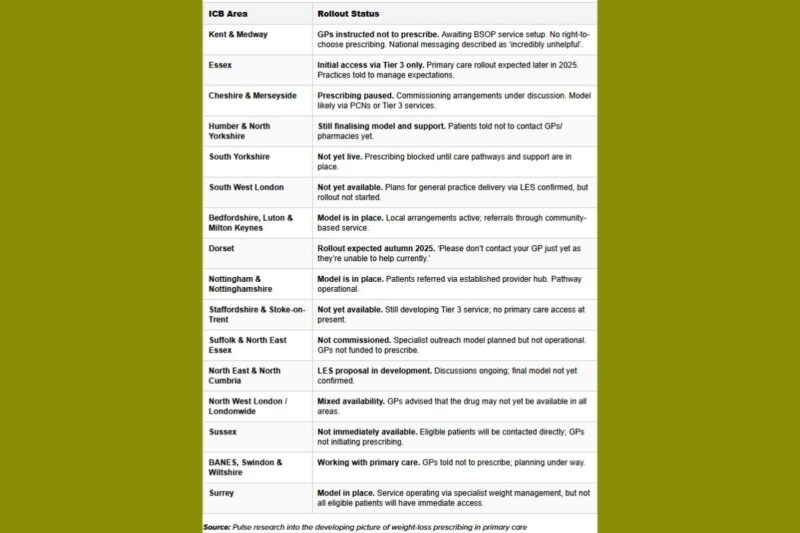
For Mounjaro prescription (UK), clinical guidelines also play a big role. NHS England has given guidance to Integrated Care Boards (ICBs who plan and pay for services provided to specific regions) on using Mounjaro. ICBs can choose the best approach for their area.
This flexibility has led to different ways of using Mounjaro across the country. It has caused confusion for GPs and service users. (This page reveals – as of June 2025 – rollout status of the ICBs in England.)
The different guidelines and how they are followed affect how Mounjaro is prescribed.
- NHS England guidance supports the rollout of Mounjaro.
- ICBs have flexibility in implementing the guidance.
- Regional variations in implementation affect GP prescribing practices.
Patient-Specific Factors
When deciding whether to prescribe Mounjaro, GPs look at many other factors.
These factors are important in deciding if the medication is right for anyone.
6. Weight Loss Objectives
The NICE guidelines state:
Tirzepatide is recommended as an option for managing overweight and obesity, alongside a reduced-calorie diet and increased physical activity in adults, only if they have:
- an initial body mass index (BMI) of at least 35 kg/m2 and
- at least 1 weight-related comorbidity.
Use a lower BMI threshold (usually reduced by 2.5 kg/m2) for people from South Asian, Chinese, other Asian, Middle Eastern, Black African or African-Caribbean ethnic backgrounds.
Directives from NHS England about how the drug can be used in the NHS involves a planned rollout programme.
In this FIRST phase, this is for people with the highest clinical need – a BMI of 40 or more and at least four weight-related comorbidities. The criteria will change in 2026 (and subsequently) to allow the NHS manage the resources and serve the population.
GPs also check if your weight loss goals are realistic. This helps them understand if you will do well with the treatment.
7. Lifestyle Changes
How ready are YOU for lifestyle changes is also important.
GPs check if you can make healthier choices. This is key for Mounjaro to work well. If you are not ready, the GP might not prescribe it.
To address this, NICE recommends the drug is prescribed alongside ‘wraparound’ services. These provide diet/nutrition support, training and guidance on healthy eating, exercise and more to ensure that the injection works and helps maintain long term weight loss.
Knowing why a GP might not prescribe Mounjaro can help you if you are considering whether to request it. It lets them work on any issues and improve their chances of getting the medication. By understanding these factors, patients can do more to help their GP make a positive decision.
More Reading
Review Date
Medical review due by July 2027
Editing and Disclaimer by AskAwayHealth Team
All AskAwayHealth articles are written by practising Medical Practitioners on various healthcare conditions to provide evidence-based guidance and help promote quality healthcare.
The advice in our material is not meant to replace the management of your specific condition by a qualified healthcare practitioner. To discuss your condition, don’t hesitate to contact a health practitioner or reach out to us directly. This blog post may contain marketing links to third-party sites with which Askawayhealth is not affiliated. We do not endorse or guarantee the products or services offered on these sites.
Please exercise discretion when making purchases or using services from these third-party sites. Askawayhealth is not responsible for any outcomes resulting from such actions.
Image Credits: Canva

Want to know how your comment data is processed? Learn more

Leave a comment
Please fill in the field below to add a comment.