AskAwayHealth
Do You Know Cortisol? Your Detailed Guide to Balancing THE Stress Hormone
April 17, 2024
Ah, cortisol – the infamous stress hormone.
We’ve all heard of it, but do we truly understand its role in our bodies?
From its daily rhythm to its impact on women’s health, cortisol has a tale to tell.
So, let’s dive in and explore the ins and outs of cortisol in a journey from its basics to its effects and ways to balance it out.

What Is Cortisol?
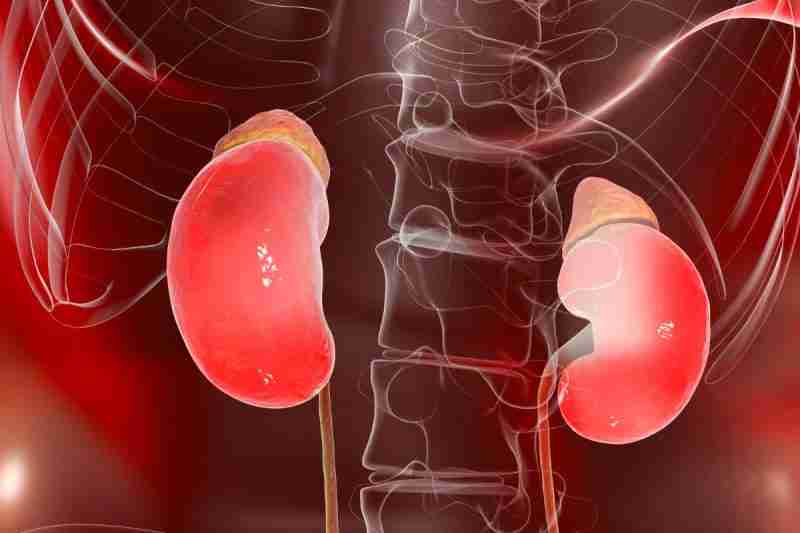
Cortisol, often dubbed the “stress hormone,” is a vital steroid hormone produced by the adrenal glands. These are organs located atop your kidneys.
Despite its reputation, cortisol serves various essential functions beyond stress response.
It belongs to a class of hormones called glucocorticoids, which are essential for various bodily functions, including metabolism, immune response, (and the body’s response to stress).
Your body controls (regulates) the production of cortisol via a complex loop system involving two parts of the brain and the adrenal glands.
First, the hypothalamus, located in the brain, produces a hormone (corticotropin-releasing hormone) CRH. CRH is made in response to stress or changes in the body.
Next, the pituitary gland is another organ of the brain involved with cortisol. CRH produced by the hypothalamus triggers the pituitary gland to release another hormone, (adrenocorticotropic hormone) ACTH, into the bloodstream.
ACTH then signals the adrenal glands to release cortisol into the bloodstream. This is the popular hypothalamic-pituitary-adrenal (HPA) axis you may have heard about, and it has a significant impact on overall health.
Cortisol affects various tissues in the body in different ways (see below).
What Does Cortisol Do?
Cortisol wears many hats in the body.
It helps regulate metabolism by influencing how carbohydrates, fats, and proteins are converted into energy.
It also plays a role in controlling blood sugar levels, reducing inflammation, regulating blood pressure, influencing memory formation and more.
Some of the effects of cortisol on the body include:
- Stress Response: Cortisol is released in response to stress, whether physical or psychological.
- It helps prepare the body to cope with stressors by increasing energy availability, enhancing metabolism, and mobilizing resources for immediate use.
- Metabolism Regulation: Cortisol influences metabolism by increasing blood sugar levels and promoting the breakdown of fats and proteins for energy.
- It also helps maintain stable blood sugar levels during periods of fasting or stress.
- Immune Function: Cortisol has both immunosuppressive and anti-inflammatory effects.
- In acute stress situations, cortisol helps suppress the immune response temporarily to prioritize resources for dealing with immediate threats.
- However, chronic elevation of cortisol levels can impair immune function and increase your risk of infections and inflammatory conditions.
- Cardiovascular System: Cortisol affects cardiovascular function by increasing heart rate, blood pressure, and cardiac output.
- It also regulates vascular tone and helps redistribute blood flow to vital organs during stress.
- Bone Health: Cortisol plays a role in bone metabolism by modulating bone formation and resorption.
- Prolonged high cortisol levels, as seen in conditions like Cushing’s syndrome or chronic stress, can lead to bone loss and increased risk of osteoporosis.
- Central Nervous System: Cortisol influences brain function and mood regulation.
- It can affect cognition (thinking), memory, and emotional responses.
- Chronic stress has been linked to mood disorders such as anxiety and depression.
- Skin Health: Cortisol can impact skin health and wound healing processes.
- Chronic stress and elevated cortisol levels have been associated with skin conditions such as acne, eczema, and impaired wound healing.
- Reproductive System: Cortisol can influence reproductive function by modulating the production of sex hormones such as estrogen and testosterone.
- Chronic stress and irregular cortisol levels may disrupt menstrual cycles, fertility, and libido.
How Cortisol Works in Our Daily Activities
Cortisol levels naturally fluctuate throughout the day, peaking in the morning to help wake us up and declining towards evening to prepare us for sleep.
Its levels can also spike in response to stress, whether it’s physical, emotional, or environmental.
During times of illness or stress, the body’s cortisol response is increased as part of the natural “fight or flight” response.
While cortisol helps the body cope with acute stressors by increasing energy levels and suppressing non-essential functions like digestion and reproduction, chronic stress can lead to dysregulation of the cortisol system.
Persistently high cortisol levels can weaken the immune system, disrupt sleep patterns, increase your susceptibility to infections, and contribute to the development of various health conditions such as cardiovascular disease, diabetes, and depression.
Cortisol’s Daily Rhythm
The body’s cortisol production follows a circadian rhythm, with levels typically highest in the morning and lowest at night.
This rhythm helps regulate our sleep-wake cycle and provides the energy needed to tackle the day’s challenges.
How Does Cortisol Affect Women’s Health – Overview
Cortisol plays a crucial role in women’s health, influencing everything from menstrual cycles to pregnancy and menopause. Its levels can fluctuate throughout the menstrual cycle, impacting fertility, mood, and energy levels.
While it is essential for regulating various physiological processes, maintaining balance is key to supporting overall health and well-being.
How Does Cortisol Affect the Menstrual Cycle?
Follicular Phase (first half of the menstrual cycle):
During the follicular phase, cortisol levels are slightly higher, contributing to the maturation of ovarian follicles and the release of estrogen. But they can also affect mood and energy levels.
This is why women may be more alert and energetic during the follicular phase.
For the early follicular phase, when menstruation happens, stress can delay your periods, stop them or make them heavier.
Having high cortisol levels, for instance, from stress, can affect the balance of your natural hormones like Oestrogen, Progesterone and Testosterone.
Luteal Phase (second half of the menstrual cycle):
In the luteal phase, cortisol levels may remain stable or slightly decrease.
This can affect mood/energy, meaning that you feel less energetic during this half of the cycle.
However, cortisol still works in tandem with progesterone to support the uterine lining and prepare for potential pregnancy.
How Does Chronic Stress (High Cortisol) Affect Female Hormones?
Chronic stress can disrupt the delicate balance of female hormones, Oestrogen and Progesterone.
This may lead to irregular menstrual cycles and fertility issues.
There may also be an increased risk of conditions like polycystic ovary syndrome (PCOS) or endometriosis, which may develop from imbalanced hormones.
How Does Cortisol Affect Pregnancy?
During pregnancy, cortisol levels naturally rise to support fetal development and prepare the body for childbirth.
It helps regulate metabolism, increase blood sugar levels, and modulate the immune system.
However, excessive cortisol production due to chronic stress can negatively impact pregnancy outcomes, increasing the risk of complications such as preterm birth or low birth weight.
How Does Cortisol Affect Menopause?
Cortisol levels may fluctuate during menopause, contributing to symptoms like hot flashes, mood swings, and sleep disturbances.
High cortisol levels (associated with stress) can also increase the chance of more fat deposits around the abdomen (along with reduced oestrogen levels).
Managing stress and maintaining hormonal balance becomes especially important during this transitional phase.
How Does Cortisol Affect Perimenopause?
In perimenopause, the body undergoes hormonal fluctuations as it transitions towards menopause.
If you have high cortisol at this time, you may experience symptoms like fatigue, anxiety, and weight gain, making stress management crucial for women during this stage of life.
What Are the Effects of Too Much Cortisol?
Excessively high cortisol is often a result of chronic stress. It may also develop from a condition like Cushing’s disease and prolonged use of some steroid medication.
It can lead to a myriad of problems:
- difficulty with weight regulation
- abnormal blood pressure
- sleeping difficulties
- mood changes
- and impaired immune function.
Your digestion and other hormone functions, like the thyroid gland and reproductive functions, are also affected.
Symptoms of High Cortisol in Women
- Excessive weight gain, especially around the belly (sometimes known as cortisol belly)
- High blood pressure
- Headaches
- Insomnia
- Bowel problems like constipation
- Depression
- Irritability
- Increased risk of infections (and poor wound healing)
- Easy bruising to the skin
- Thinning skin
- Osteoporosis (thinning bones)
- Tiredness
- Difficulty concentrating
What Are the Effects of Too Little Cortisol?
Low (or insufficient) cortisol production is also known as adrenal insufficiency.
It can arise from various underlying causes, including autoimmune conditions, adrenal or pituitary gland disorders, medications, genetic factors, chronic stress, infections, surgical interventions, and nutritional deficiencies.
- Addison’s disease is an autoimmune condition where the body’s immune system mistakenly attacks and damages the adrenal glands, affecting cortisol production. Addison’s disease is the primary cause of adrenal insufficiency and can lead to life-threatening complications if left untreated.
- Adrenal Gland conditions: Examples are adrenal cancer, infections like tuberculosis, or bleeding. They can interfere with the production of cortisol.
- Pituitary Gland Dysfunction: Recall the pituitary gland stimulates the adrenal glands to produce cortisol? If the gland develops a problem, either due to tumours, injury, or radiation therapy, it can disrupt hormone production.
- Hypothalamic Dysfunction: Similarly, disease of this part of the brain can affect the levels of cortisol.
- Medications: Certain medications, such as corticosteroids used to treat inflammatory conditions like asthma or arthritis, can suppress the body’s natural cortisol production over time. However, abruptly stopping these drugs can also lead to adrenal insufficiency if the adrenal glands fail to resume normal cortisol production promptly.
- Genetic Factors: Rare genetic disorders, such as congenital adrenal hyperplasia or familial glucocorticoid deficiency, can affect cortisol production and lead to adrenal insufficiency from birth or early childhood.
- Chronic Stress: Prolonged exposure to chronic stress can affect the hypothalamic-pituitary-adrenal (HPA) axis, the complex system responsible for cortisol production. While acute stress triggers a temporary increase in cortisol levels, chronic stress can eventually lead to HPA axis dysfunction and decreased cortisol production.
- Infections and Illnesses: Severe infections, such as sepsis or tuberculosis, can stress the body and disrupt adrenal function, leading to temporary or long-term adrenal insufficiency.
- Surgery to remove the Adrenal Glands: In rare cases, surgical removal of one or both adrenal glands may be necessary to treat conditions like adrenal tumours or congenital adrenal hyperplasia. However, this procedure can result in adrenal insufficiency, requiring lifelong hormone replacement therapy.
- Malnutrition or Eating Disorders: Severe malnutrition or eating disorders like anorexia nervosa can deprive the body of essential nutrients needed for cortisol production, potentially leading to adrenal insufficiency.
Symptoms of Low Cortisol in Women
- Fatigue
- Weakness
- Weight loss
- Low blood pressure
- Dizziness
- Nausea
- Abdominal pain
- Decreased libido
- Depression
- Menstrual irregularities
- Mood swings
- Hypoglycemia (low blood sugar)

What Is Buffalo Hump?
A “buffalo hump” refers to the accumulation of fat between the shoulders, often seen in individuals with excess cortisol production or conditions like Cushing’s syndrome.
What Is Cortisol Belly?
“Cortisol belly,” or abdominal obesity, is characterized by the accumulation of fat around the abdomen due to elevated cortisol levels and chronic stress.
It may also develop from steroid use and some medical conditions.
High cortisol levels can lead to overeating and weight gain, particularly in the abdominal area, which includes both subcutaneous fat (just below the skin) and visceral fat (deep within the abdominal cavity).
Signs and Causes of High Cortisol Levels in Women
High cortisol levels in women may be caused by chronic stress, adrenal gland disorders, Cushing’s syndrome, or certain medications.
Signs include weight gain, mood swings, high blood pressure, and insulin resistance.
Supplements to Reduce Cortisol and Belly Fat (Examples of Cortisol Lowering Supplements)
Certain supplements like Ashwagandha and Rhodiola rosea have been shown to help lower cortisol levels and reduce abdominal fat when combined with a healthy diet and lifestyle.
Other supplements such as fish oil (omega fatty acids), magnesium, and vitamin C may help lower cortisol levels and mitigate the effects of stress.
Always speak to your healthcare provider before starting any supplements to ensure they are safe for you.
Signs and Causes of Low Cortisol Levels in Women
Low cortisol levels in women may result from adrenal insufficiency, Addison’s disease, or pituitary gland disorders. Symptoms include fatigue, dizziness, nausea, and low blood sugar.
Advertisement

Ways to Reduce Cortisol (Natural and Medical/Surgical)
Reducing cortisol levels can be achieved through various strategies, including:
- stress management techniques (e.g., meditation, yoga, deep breathing),
- regular exercise,
- adequate sleep,
- balanced nutrition,
- and, in severe cases, medication or surgical intervention.
Treatment for High Cortisol Levels in Females
Treatment for high cortisol levels in females depends on the underlying cause but may involve lifestyle modifications, medication to suppress cortisol production, or surgery to remove tumours affecting the adrenal glands or pituitary gland.
How to Lower Cortisol Levels
Lowering cortisol levels requires a holistic approach that addresses both physical and psychological stressors.
Adopting relaxation techniques, maintaining a healthy lifestyle, and seeking professional support when needed can all contribute to cortisol reduction.
How to Improve Cortisol Levels
Improving cortisol levels involves restoring balance to the body’s stress response system through stress management, adequate rest, proper nutrition, regular exercise, and fostering positive social connections.
Balancing Cortisol Levels
Achieving optimal cortisol balance is a journey that requires mindfulness, self-care, and a comprehensive approach to overall health and well-being.
By understanding cortisol’s role in the body and taking proactive steps to support its regulation, individuals can promote vitality and resilience in the face of life’s stressors.
Can you measure Cortisol levels?
Yes, cortisol levels can be measured through various tests, including blood tests, saliva tests, urine tests, and occasionally through hair samples.
Cortisol blood test name
The cortisol blood test is simply called the “cortisol blood test.”
How to test Cortisol levels at home
You can test levels at home using a saliva cortisol test kit.
These kits typically involve collecting saliva samples at different times of the day and sending them to a laboratory for analysis.
How to measure Cortisol levels (laboratory)
Tests commonly used to measure cortisol levels include:
- Blood Cortisol Test: This test measures the level of cortisol in the blood at a specific time, typically in the morning when cortisol levels are highest.
- It can help diagnose conditions such as Cushing’s syndrome (excess cortisol production) or adrenal insufficiency (low cortisol production).
- Saliva Cortisol Test: This test involves collecting saliva samples at different times throughout the day to assess cortisol levels.
- This test can provide information about the diurnal rhythm of cortisol secretion and is often used to evaluate adrenal function and assess stress levels.
- Urine Cortisol Test: A 24-hour urine cortisol test measures the total amount of cortisol excreted in the urine over a 24-hour period.
- It can help diagnose conditions such as Cushing’s syndrome or monitor cortisol levels in individuals receiving cortisol replacement therapy.
- ACTH Stimulation Test: This test evaluates the adrenal glands’ ability to produce cortisol in response to ACTH stimulation.
- It involves administering synthetic (human-made) ACTH and measuring cortisol levels in the blood before and after stimulation.
These tests, along with clinical evaluation and consideration of symptoms, can help healthcare providers assess cortisol levels and diagnose underlying conditions affecting adrenal function and cortisol regulation.
How do I know if I have high Cortisol levels?
If you suspect you have high cortisol levels, it’s essential to consult with a healthcare provider for proper evaluation and diagnosis. They may order tests such as blood tests, saliva tests, or urine tests to assess cortisol levels and investigate the underlying cause of any symptoms you may be experiencing.
In conclusion, cortisol is a powerful hormone that influences various aspects of women’s health, from menstrual cycles to pregnancy and menopause.
While it plays a crucial role in the body’s stress response, maintaining cortisol balance is key to overall health and well-being.
By adopting lifestyle habits that promote stress management and support the body’s natural rhythms, women can harness the benefits of cortisol while minimizing its potential drawbacks.
Strategies such as stress management techniques, regular exercise, healthy eating habits, and adequate sleep can help modulate cortisol levels and promote hormonal balance throughout your lifespan.
More Reading
Advertisement

Editing by AskAwayHealth Team
Disclaimer
All AskAwayHealth articles are written by practising Medical Practitioners on a wide range of healthcare conditions to provide evidence-based guidance and to help promote quality healthcare.
The advice in our material is not meant to replace the management of your specific condition by a qualified healthcare practitioner.
To discuss your condition, don’t hesitate to get in touch with a health practitioner or reach us directly.
Image Credits: Canva
Want to know how your comment data is processed? Learn more





Leave a comment
Please fill in the field below to add a comment.