AskAwayHealth
IWD 2026: The Top 7 Searched Women’s Health Topics (And Where the System Fails Us)
March 7, 2026
This International Women’s Day (IWD 2026, March 8th), we’re not just celebrating progress—we’re exposing the gaps. At AskAwayHealth, we analysed the top 7 most searched women’s health issues from the last 12 months. These are the conditions keeping women awake at 2 a.m., desperately searching for answers.
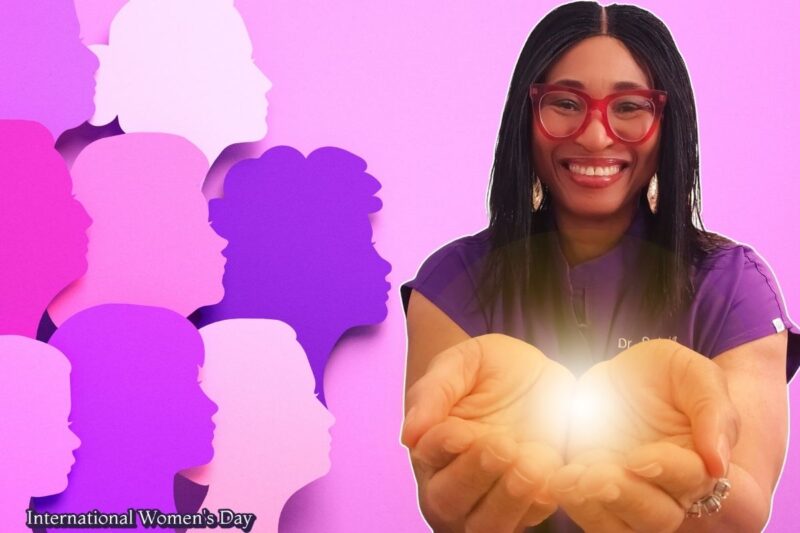
But here’s the truth the data won’t tell you: these are also the areas where healthcare gaslighting women is most common. Where women’s symptoms ignored by doctors lead to years of unnecessary suffering. Where the gender health gap remains dangerously wide.
Below, we break down what you searched for—and why the system keeps failing us.
1. Menopause & HRT: The Inequality You Searched For
You searched for menopause symptoms and HRT access. But what you may not know is that Black women menopause care is drastically unequal.
Why HRT Access Inequality Persists
Landmark 2025 research revealed that Black African women are nearly six times less likely to receive HRT than white women. This isn’t about need—it’s about medical bias against women of color.
Questions to Ask Your GP About Menopause
If you’re experiencing hot flashes, brain fog, or vaginal dryness, don’t accept dismissal. Ask your doctor:
- “Is vaginal oestrogen appropriate for my symptoms?”
- “Why might menopause treatment disparities affect someone like me?”
2. Menstrual Cycle Phases: When PMDD Gets Dismissed
Searches for “luteal phase anxiety” and “PMDD misdiagnosed” exploded in 2025.
Why PMS Dismissed by Doctor Is Still Common
Despite affecting 3-8% of women, Premenstrual Dysphoric Disorder (PMDD) takes an average of 12 years to diagnose. That’s 12 years of being told “period mood swings are normal” when they’re not.
Red Flag Symptoms Never to Ignore
If your hormonal mood swings treatment isn’t working, or if you experience:
- Suicidal thoughts before your period
- Complete inability to function 1-2 weeks monthly
Demand a referral. You deserve more than being told to “manage stress.”
3. Endometriosis: Why Diagnosis Takes a Decade
Endometriosis delayed diagnosis remains one of the most searched and most neglected issues in women’s health.
The Average Wait Is 8 Years—Here’s Why
Why endometriosis takes years to diagnose is simple: endometriosis pain dismissed as “bad periods” is still the norm. But period pain that stops you from working or studying is never normal.
Endometriosis vs. Adenomyosis: What to Ask
Many women don’t know that adenomyosis vs endometriosis requires different treatment approaches.
In both these conditions, tissue from the womb lining grows where it shouldn’t. In adenomyosis, the womb lining grows inside the walls/muscle of the womb. In endometriosis, the womb lining grows in other parts of the womb, pelvis and the rest of the body.
If you have severe pain and heavy bleeding, ask for an ultrasound that looks at both conditions.
4. Heart Health: The Misdiagnosis Crisis
You searched for heart attack symptoms women. Good. Because female heart attack misdiagnosis is a literal matter of life and death.
Heart Attack Symptoms in Women Ignored
Women are seven times more likely to be misdiagnosed during a heart attack than men. Why? Because cardiac symptoms women experience often don’t look like the “crushing chest pain” shown in movies.
When Anxiety Misdiagnosed Heart Attack Happens
Nausea, jaw pain, extreme fatigue, and shortness of breath are common female heart attack signs. Yet women are often sent home with anxiety misdiagnosed heart attack—told they’re just stressed while having a cardiac event.
5. Creatine & Nutrition: Filling Research Gaps Yourself
In 2025, searches for “creatine for women” tripled. You’re proactively seeking supplements for menopause weight gain and muscle support. But here’s the failure:
Why Women’s Health Research Excluded Us
Most nutritional studies were done on men. So when you search for creatine for women over 40, you’re hunting for information that should have been studied decades ago.
What Actually Works for Menopause Nutrition
While research catches up, evidence supports:
- Creatine monohydrate menopause for muscle and brain health
- Protein intake to offset age-related muscle loss
- Magnesium for sleep and cramps
6. Fibroids: The Condition Affecting Black Women Most
Uterine fibroids Black women is not just a search term—it’s a health crisis. By age 50, 80% of Black women have fibroids, compared to 70% of white women, and our symptoms are often more severe.
Fibroid Treatment Options Without Hysterectomy
Too many women are told hysterectomy is the only answer. But fibroid treatment options without hysterectomy exist:
- UFE vs myomectomy—both preserve the uterus
- Hormonal and non-hormonal medications
- MRI-guided focused ultrasound
Fibroids Heavy Bleeding Treatment That Works
If you’re flooding through pads, ask about tranexamic acid, hormonal IUDs (coil), or fibroid pain relief options that don’t require losing your uterus.
7. Vaginal Health: Why BV Keeps Coming Back
Recurrent BV causes and chronic yeast infections help are among the top searches—yet over 60% of women still don’t know why these infections return.
Why BV Keeps Coming Back for So Many
Why BV keeps coming back often relates to the vaginal microbiome imbalance. Things that disrupt healthy bacteria:
- Scented products and douching
- Certain lubes and condoms
- Not finishing prescribed treatment
Boric Acid for BV: Does It Work?
Boric acid for BV is trending, and yes—evidence supports it for recurrent cases. But it’s a suppository, not an oral pill, and should only be used under medical supervision.
From Panic to Power: Free Tools That Help
Searching for “why won’t my doctor take my pain seriously” at 2 a.m. is exhausting. You deserve better.
At AskAwayHealth, we believe patient advocacy starts with preparation. That’s why Dr. Sylvia created free tools to help you walk into appointments confident and informed.
Free Women’s Health Advocacy Tools
- Questions To Ask Your GP About Fibroids (and menopause, and endometriosis)
- Red Flag Symptom Checker—know when to push for urgent care
- My Health Story Template—describe your symptoms so doctors finally listen
👉 Download them free on our IWD Give to Gain Page
Watch Dr. Sylvia Break Down These 7 Topics
In our IWD 2026 video playlist, I share over 20 videos covering these topics with practical, questions to ask gynecologist and advocacy tips.
Give to Gain: What Will You Give?
This IWD, women supporting women is more than a hashtag—it’s how we close the gap. Share this post. Send the tools to a friend. Give knowledge, because giving knowledge is giving safety.
What will YOU give to help another woman gain better health this year?
About the Author
Dr Sylvia Kama-Kieghe (FRCGP, FRSM, FRSPH) is a UK-based NHS General Practitioner with over 15 years’ experience in family medicine and women’s health. She is the founder of AskAwayHealth and works clinically in primary care, urgent care and digital health.
She is a honorary lecturer at the University of Sheffield Medical School and involved in teaching and supervising trainee doctors. Her clinical practice includes a strong focus on menopause, menstrual and fibroid-related problems, vulval and vaginal health, and preventive care for women across the life course.
Dr Sylvia is an RCGP (Royal College of General Practitioners) Digital Champion 2026 award finalist and has been shortlisted multiple times for the CAHN Black Healthcare Awards for her work in reducing health inequalities. She also collaborates with the Patient Information Forum (PIF) on projects tackling online health misinformation and improving the quality of patient information.
Through the AskAwayHealth YouTube channel and website, Dr Sylvia aims to provide clear, calm and clinically sound explanations that help women understand their symptoms, know which red flags to look for, and feel more confident when speaking to their own doctors.
More Reading
Want to know how your comment data is processed? Learn more

Leave a comment
Please fill in the field below to add a comment.