AskAwayHealth
Is my vulva normal? The truth about colour, size, and hair
August 12, 2026
If you’ve ever wondered whether your vulva looks “normal”, you’re not alone.
The truth is that there is no single normal-looking vulva. Colour, size, shape, and pubic hair can all vary from woman to woman.
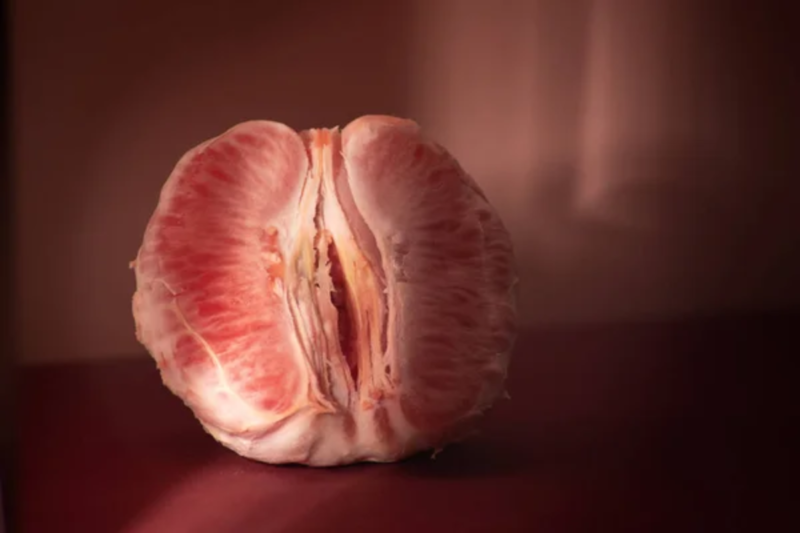
What are the outer and inner lips for?
The inner and outer lips (labia) have several important functions. They help:
- Protect the vaginal opening and surrounding tissues
- Support the area around the urethra
- Contribute to sexual pleasure and sensation
- Support lubrication and secretions from glands in the area
The vulva is designed to look and function differently from person to person.
Watch the full video
So, what does a “normal” vulva look like?
There is a huge amount of natural variation. Your vulva may look different depending on your:
- Natural skin colour and ethnicity – some vulvas are pale or pink, while others may be light brown or dark brown.
- Age – the appearance of the vulva can change throughout life.
- Stage of life – pregnancy, having a baby and menopause can all affect how the vulva looks.
The colour of the tissue around the vaginal opening can vary too. It may be pink, but some women may have areas with a brownish colour.
A useful way to think about this is to compare it with gums. Some people naturally have pink gums, while others have darker or brown gums.
What about the size of the labia?
Labia can naturally be larger or smaller, and they do not have to look the same on every woman.
If you put 100 women in a room, you would not expect their vulvas to look identical. So comparing yourself with an image you have seen online or in a video can create unnecessary worry.
There isn’t one shape, size or colour that every vulva should have.
What about pubic hair?
Pubic hair is just as variable.
Some women have a lot of pubic hair, while others have very little. Someone can have a full head of hair but very little pubic hair — or the opposite.
So when it comes to pubic hair, “normal” isn’t one particular amount.
Key takeaway
Your vulva does not need to look like anyone else’s to be normal. Colour, size, shape and pubic hair can all vary naturally, and your vulva can also change with age and different stages of life.
Instead of asking, “Does mine look like theirs?” a better question is: “What is normal for me?”
⚠️ Important Disclaimer — If you notice changes to your vulva, or have anything that concerns you, speak to your doctor. This information is for educational purposes only and should not replace an assessment by a healthcare professional.
More Reading
Review Date
This post will be medically reviewed by August 2028
About the author
Dr Sylvia Kama-Kieghe (FRCGP, FRSM, FRSPH) is a UK-based NHS General Practitioner with over 15 years’ experience in family medicine and women’s health. She is the founder of AskAwayHealth and works clinically in primary care, urgent care and digital health.
She is an honorary lecturer at the University of Sheffield Medical School, and involved in teaching and supervising trainee doctors. Her clinical practice includes a strong focus on menopause, menstrual and fibroid-related problems, vulval and vaginal health, and preventive care for women across the life course.
Dr Sylvia is the RCGP (Royal College of General Practitioners) 2026 Digital Champion and has been shortlisted multiple times for the CAHN Black Healthcare Awards for her work in reducing health inequalities. She also collaborates with the Patient Information Forum (PIF) on projects tackling online health misinformation and improving the quality of patient information.
Through the AskAwayHealth YouTube channel and website, Dr Sylvia aims to provide clear, calm and clinically sound explanations that help women understand their symptoms, know which red flags to look for, and feel more confident when speaking to their own doctors.

Want to know how your comment data is processed? Learn more





Leave a comment
Please fill in the field below to add a comment.