AskAwayHealth
Can Fibroids Go Away On Their Own? Natural Treatment Options Explained
February 15, 2026
Introduction
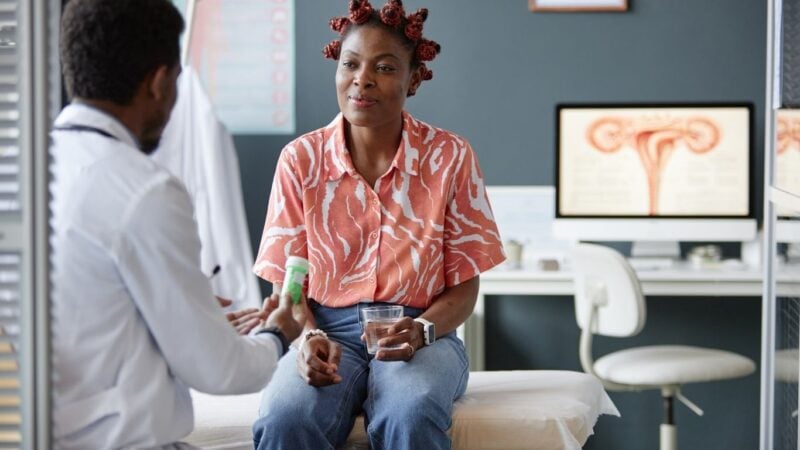
If you’ve been told you have fibroids, it’s natural to ask: do fibroids go away on their own , and are there any safe fibroids natural treatment options?
Many women want to avoid hormones or surgery, so they turn to herbs, teas, acupuncture, “fibroid diets” and home remedies. Some of these approaches can support your health – but none are a proven cure.
In this article, I’ll summarise the most common fibroids natural remedies , what the evidence shows, and how to use natural options safely alongside medical care.
What Counts as “Natural” Fibroid Treatment?
Common natural approaches
- Herbal medicine and traditional Chinese medicine (TCM)
- Acupuncture or acupressure
- Diet changes, weight loss and supplements
- Home measures like warm compresses, baths, yoga or massage
These sit outside standard hospital or GP care. The key issue is evidence: most natural therapies have only small or low‑quality studies, while medical treatments are more rigorously tested.
What the Evidence Says About Popular Remedies
Traditional Chinese medicine (TCM)
Combines herbs, acupuncture, diet and body work. A few small studies suggest symptom improvement or some shrinkage, but the research is limited and inconsistent. Not a proven way to reliably shrink fibroids naturally .
Acupuncture
Can help some women with pain, heavy bleeding and general wellbeing. There’s no good evidence that acupuncture alone makes fibroids disappear.
Green tea and herbal products
Green tea extract (EGCG) has shown possible benefit in small trials. Herbal blends sold for “fibroid shrinking” vary in dose and purity and can interact with other medicines. “Natural” does not equal “safe” – always discuss with a clinician.
Weight loss, diet and lifestyle

This is the most evidence‑backed area:
- Being overweight is linked to higher fibroid risk and growth
- Losing weight and eating a high‑fibre, balanced diet can improve hormone balance and symptoms
- Reducing salt and controlling blood pressure support overall health and may reduce risk factors
These changes are an important part of a realistic natural fibroid treatment plan, but they still don’t “cure” fibroids.
Home comfort measures
Warm compresses, baths, gentle yoga, Tai Chi and massage can ease pain and stress.
They are useful for symptom relief, not for removing fibroids.
So… Can Fibroids Go Away On Their Own?
- Small fibroids may remain stable for years
- Fibroids often shrink after menopause as hormones fall
- Lifestyle changes can support your body and may slow progression
But right now, no natural remedy has been conclusively proven to cure fibroids in most women. Relying only on fibroids natural remedies without medical follow‑up can delay essential treatment and increase the risk of complications.
When You Should See a Doctor
Arrange a medical review if you have:
- Very heavy periods or large clots
- Dizziness, tiredness or shortness of breath
- Severe or increasing pelvic or back pain
- Bloating or a visibly enlarging tummy
- Bladder or bowel problems
- Trouble getting pregnant or repeated miscarriages
Never postpone seeing a doctor because you are trying teas, herbs or other home remedies.
Next Steps
- Book an appointment with your GP or gynaecologist to review your fibroid size, symptoms and all treatment options
- If you’re using natural methods, ask about safety, interactions and realistic expectations
- Download my FREE decision guide to help you weigh up surgery and other options:
Fibroid Surgery Checklist – AskAwayHealth
You may find these resources helpful:
More Reading?
Author Bio
This article was written by Dr Sylvia Kama‑Kieghe(FRCGP FRSM FRSPH), a UK-based NHS and private General Practitioner with over 15 years’ experience in family medicine and women’s health. She is the founder of AskAwayHealth and works clinically in primary care, urgent care and digital health.
She is a lecturer at the University of Sheffield Medical School, and involved in teaching and supervising trainee doctors. Her clinical practice includes a strong focus on menopause, menstrual and fibroid-related problems, vulval and vaginal health, and preventive care for women across the life course.
Through AskAwayHealth, Dr Sylvia aims to provide clear, calm and clinically sound explanations that help women understand their symptoms, know which red flags to look for, and feel more confident when speaking to their own doctors.
Want to know how your comment data is processed? Learn more

Leave a comment
Please fill in the field below to add a comment.