AskAwayHealth
Distinguishing PCOS from Endometriosis: What You Need to Know
March 28, 2025
Polycystic ovary syndrome (PCOS) and endometriosis are two common conditions that affect many individuals of reproductive age.
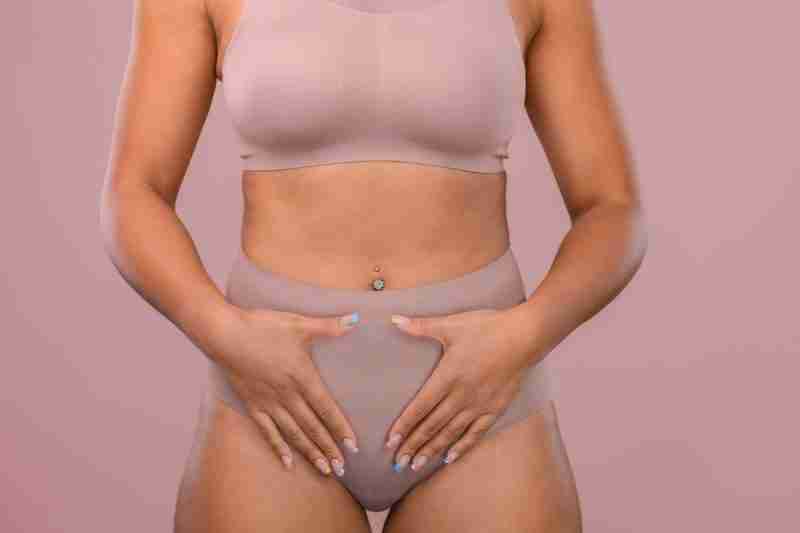
While both can impact fertility and overall well-being, they differ significantly in their causes, symptoms, and management approaches.
Understanding these differences is essential for making informed healthcare decisions and seeking appropriate guidance.
Understanding the Basics of Endometriosis
Endometriosis occurs when tissue similar to the womb lining grows outside it, leading to pain and other complications.
This misplaced tissue can develop in various areas, such as the ovaries, bowel, or pelvic lining, often causing severe discomfort, particularly during menstrual cycle.
How Endometriosis Develops
One possible explanation for endometriosis is retrograde menstruation, where menstrual blood flows backward through the fallopian tubes, carrying tissue into the pelvic cavity.
Over time, this tissue implants and grows, triggering inflammation and pain. Scientists are still examining whether this or other theories can fully explain how endometriosis develops.
Commonly Affected Areas
Endometriosis can impact multiple organs, with the ovaries being among the most commonly affected.
The presence of misplaced tissue often leads to chronic pain, irregular bleeding, and, in some cases, complications affecting fertility.
Examining the Fundamentals of PCOS
Polycystic ovary syndrome is a hormonal disorder that influences reproductive health and metabolism.
It is characterised by elevated levels of androgens (male hormones), irregular menstrual cycles, and, in some cases, small cysts on the ovaries.
Hormonal Imbalances and Their Effects
PCOS results in hormonal disruptions that can interfere with ovulation, leading to symptoms such as acne, excessive hair growth, and weight gain.
Additionally, insulin resistance is commonly associated with PCOS, further impacting metabolic health and increasing the risk of conditions such as type 2 diabetes.
Ovarian Function and Cyst Formation
Contrary to its name, not all individuals with PCOS develop ovarian cysts.
The condition is primarily defined by irregular ovulation and hormonal imbalances, which can contribute to difficulties in conceiving and other long-term health concerns.
PCOS vs. Endometriosis: Key Differences
| Category | Endometriosis | Polycystic Ovary Syndrome (PCOS) |
| Causes | involves misplaced tissue growth (research suggests some hormone imbalance involved) | stems from hormonal imbalances |
| Symptoms | often associated with severe pelvic pain and abnormal bleeding | commonly leads to acne, weight gain, and irregular periods |
| Diagnosis | typically diagnosed through laparoscopy (examination of the pelvis and abdomen with a lighted tube with a camera at the end) | assessed using blood tests and ultrasound imaging. |
| Fertility Impact – both conditions can contribute to fertility challenges, though for different reasons | endometriosis may cause scarring | PCOS often disrupts ovulation. |
If you experience symptoms related to either condition, seeking guidance from a qualified healthcare professional is essential for proper evaluation and care.
Recognizing Symptoms and Seeking Guidance
- Symptoms of Endometriosis:
- Chronic pelvic pain, particularly during menstruation
- Heavy or irregular menstrual bleeding
- Painful bowel movements or urination
- Potential fertility challenges due to pelvic scarring
- Symptoms of PCOS:
- Irregular or absent menstrual cycles
- Excessive hair growth (hirsutism) on the face, chest, or back
- Acne and scalp hair thinning
- Difficulty managing weight, particularly around the abdomen
- Insulin resistance and increased risk of metabolic conditions
Understanding Risk Factors and Management
Both conditions have complex origins, influenced by genetics, hormonal imbalances, and lifestyle factors.
- Genetic and Hormonal Influences: A family history of PCOS or endometriosis may increase the likelihood of developing these conditions.
- Lifestyle and Metabolic Considerations: Diet, exercise, and weight management play crucial roles in managing symptoms and improving overall health.
- Long-Term Health Risks: Individuals with PCOS may have a higher risk of metabolic conditions, while those with endometriosis may face long-term pain and reproductive challenges.
Diagnostic Approaches and Next Steps
Understanding diagnostic options can help individuals take proactive steps toward their health.
Common approaches include:
- Imaging and Surgical Methods: Ultrasound is often used to evaluate PCOS, while laparoscopy is considered the gold standard for diagnosing endometriosis.
- Blood Tests: Hormonal assessments help identify imbalances associated with PCOS.
- Personalised Healthcare Planning: Consulting a healthcare provider can help in developing an individualized approach to symptom management and treatment.
Our Commitment to Your Health: Askawayhealth’s Approach
At AskAwayHealth, our goal is to provide reliable healthcare information and signposting to help you make informed decisions about your health.
We guide you through your healthcare journey by connecting you with the right services, offering education, and empowering you to manage your well-being effectively.
We also work to debunk common health myths by providing clear, evidence-based healthcare information.
Our mission is to ensure that you have access to the knowledge and resources you need to take charge of your health with confidence.
Final Thoughts
Understanding the differences between PCOS and endometriosis empowers individuals to take proactive steps toward better health.
Our role is to provide reliable information and educational resources, helping you make informed decisions about your healthcare journey.
For diagnosis, treatment, and management, consulting a medical professional can provide tailored advice and care.
More Reading

Review Date
This post will be medically reviewed by March 2027
Editing and Disclaimer by AskAwayHealth Team
All AskAwayHealth articles are written by practising Medical Practitioners on various healthcare conditions to provide evidence-based guidance and help promote quality healthcare.
The advice in our material is not meant to replace the management of your specific condition by a qualified healthcare practitioner. To discuss your condition, don’t hesitate to contact a health practitioner or reach out to us directly. This blog post may contain marketing links to third-party sites with which Askawayhealth is not affiliated. We do not endorse or guarantee the products or services offered on these sites. Please exercise discretion when making purchases or using services from these third-party sites. Askawayhealth is not responsible for any outcomes resulting from such actions.
Image Credits: Canva
Reference Sources
https://www.kofinasfertility.com/patient-info/pcos-and-endometriosis – PCOS & Endometriosis: What’s the Difference & Can You Have Both?
https://www.verywellhealth.com/endometriosis-and-pcos-5295536 – What are the Differences Between PCOS and endometriosis?
https://www.hackensackmeridianhealth.org/en/healthu/2021/08/10/pcos-vs-endometriosis-whats-the-difference – PCOS vs. Endometriosis: What’s the Difference?
https://www.medicalnewstoday.com/articles/endometriosis-vs-pcos – Endometriosis vs PCOS: How to tell the difference
https://www.healthline.com/health/womens-health/endometriosis-vs-pcos – Endometriosis vs. PCOS: Symptoms, Diagnosis, Treatment
https://flo.health/menstrual-cycle/health/symptoms-and-diseases/pcos-vs-endometriosis – PCOS vs. endometriosis: What are the differences? – Flo
https://fertilityinstitute.com/pcos-vs-endometriosis-how-to-know-the-difference/ – PCOS vs. Endometriosis: How To Know The Difference | FINO
https://www.womenshealthmag.com/uk/health/female-health/a60465574/pcos-vs-endometriosis/ – PCOS and endometriosis can both mess with your period, but they’re totally different conditions
https://www.londonivfandgenetics.co.uk/the-difference-between-endometriosis-and-pcos/ – Understanding Endometriosis and PCOS | London IVF & Genetics
https://www.fertilityfamily.co.uk/blog/pcos-endometriosis-what-is-the-difference/ – PCOS & Endometriosis: What is the difference? – Fertility Family
https://pmc.ncbi.nlm.nih.gov/articles/PMC9361725/ – Polycystic Ovarian Syndrome and Endometriosis as Two Evil Extremes of Health Continuum
https://www.hcf.com.au/health-agenda/women/endometriosis/pcos-endometriosis-difference – Endometriosis vs PCOS: what’s the difference? | HCF
https://pmc.ncbi.nlm.nih.gov/articles/PMC8288001/ – Endometriosis and polycystic ovary syndrome are diametric disorders
https://femia.health/health-library/your-cycle/health/pcos-vs-endometriosis/ – PCOS vs Endometriosis: Causes, Symptoms & Differences – Femia
https://icarebetter.com/endometriosis-vs-pcos-whats-the-difference/ – Endometriosis vs. PCOS: What’s the Difference?
https://www.fertilityfamily.co.uk/blog/can-you-have-endometriosis-and-pcos/ – Can you Have Endometriosis and PCOS? – Fertility Family
Want to know how your comment data is processed? Learn more

Leave a comment
Please fill in the field below to add a comment.