AskAwayHealth
Skin tags explained — does it mean insulin resistance?
October 15, 2026
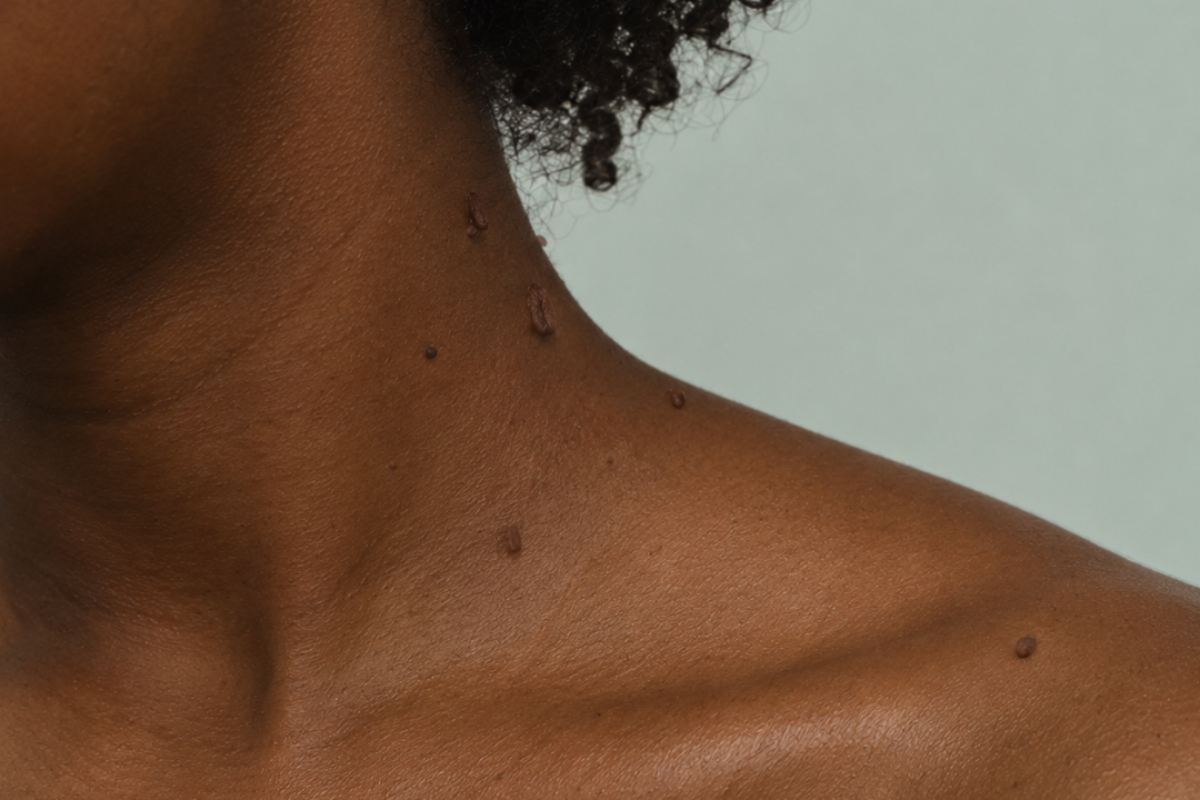
Yes, there is a link. However, having a skin tag does not automatically mean you have insulin resistance or diabetes.
The link between skin tags and insulin resistance
Insulin is a hormone responsible for helping manage blood sugar.
Insulin resistance happens when your body does not respond well to insulin. It is usually the next step towards developing type 2 diabetes.
Insulin resistance is also relevant to Polycystic Ovary Syndrome (PCOS), now known as PMOS (Polyendocrine Metabolic Ovary Syndrome) making this an important women’s health conversation.
Research suggests that high levels of insulin and related growth factors, which are hormones involved in metabolising sugar, can stimulate the growth of skin and other tissues. This can lead to the development of skin tags.
What do skin tags look like?
Skin tags are benign, soft growths of the skin. You might have just one, or you may develop several.
They can appear in different areas, including:
- The face
- Under the arms
- Around the groin
- On the back or hands
Their appearance can also vary depending on your skin tone. They may look darker, brownish, or pinkish. Sometimes, it can be difficult to tell whether a growth is actually a skin tag.
Insulin resistance is not the only cause
Skin tags are very common, and there are several possible reasons why they develop.
These include:
- Friction: Clothes rubbing against the skin or skin rubbing together, particularly around the groin and underarms.
- Genetics: Your genes may play a role.
- Pregnancy: Skin tags can also develop during pregnancy.
So, although skin tags are linked to insulin resistance, they do not always indicate a problem with blood sugar.
When should you speak to your doctor?
A single skin tag is not usually a reason to panic. However, pay attention if you suddenly develop multiple skin tags, particularly if this is a new change.
It is also worth speaking to your doctor if you notice other symptoms, such as:
- Unusual tiredness, especially after eating
- Fatigue that does not match the effort you have put into your day
- Weight gain, particularly around your tummy
- Dark patches in skin folds or around the groin, known as acanthosis nigricans
- Irregular periods
Your doctor may recommend a fasting blood glucose test or an HbA1c (hemoglobin A1c) test to check for diabetes.
Key takeaway
Skin tags are common and mostly benign, and they can develop for several reasons. One skin tag does not automatically mean insulin resistance or diabetes.
However, if you suddenly develop multiple skin tags or notice other symptoms, speak to your doctor. Your skin can offer useful clues about what is happening inside your body, and a simple blood test can help check for underlying problems.
⚠️ Important Disclaimer — If you suddenly develop multiple skin tags, notice other skin changes, or if anything concerns you, speak to your doctor. This information is for educational purposes only and should not replace an assessment by a healthcare professional.
More Reading
Review date
This post will be medically reviewed by October 2028
About the author
Dr Sylvia Kama-Kieghe (FRCGP, FRSM, FRSPH) is a UK-based NHS General Practitioner with over 15 years’ experience in family medicine and women’s health. She is the founder of AskAwayHealth and works clinically in primary care, urgent care and digital health.
She is an honorary lecturer at the University of Sheffield Medical School, and involved in teaching and supervising trainee doctors. Her clinical practice includes a strong focus on menopause, menstrual and fibroid-related problems, vulval and vaginal health, and preventive care for women across the life course.
Dr Sylvia is the RCGP (Royal College of General Practitioners) 2026 Digital Champion and has been shortlisted multiple times for the CAHN Black Healthcare Awards for her work in reducing health inequalities. She also collaborates with the Patient Information Forum (PIF) on projects tackling online health misinformation and improving the quality of patient information.
Through the AskAwayHealth YouTube channel , Substack and website, with her signature quote “An informed patient is not a difficult one, she is a prepared one”, Dr Sylvia aims to provide clear, calm and clinically sound explanations that help women understand their symptoms, know which red flags to look for, and feel more confident when speaking to their own doctors.
Want to know how your comment data is processed? Learn more




Leave a comment
Please fill in the field below to add a comment.