AskAwayHealth
Your vagina hurts and nobody knows why? 6 overlooked causes of vaginal pain
June 13, 2026
You’ve been to your GP. Maybe more than once. You’ve been examined, told everything looks normal, and sent home with no real answers. But the pain is still there. Sex hurts. Sitting hurts. Some days even wearing jeans hurts. And you’re starting to wonder whether it’s all in your head.
It isn’t. Unexplained is not the same as imaginary.
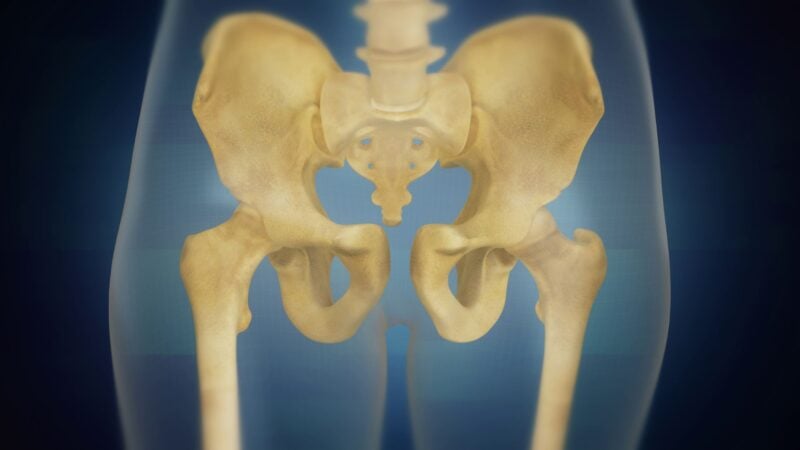
Watch first: Your vagina hurts and nobody knows why? Watch this https://youtu.be/JXBz6qMggww
Why vaginal pain so often goes without a diagnosis
Chronic vulval and vaginal pain is more common than most people realise — and more often missed than it should be. That’s not down to individual failing. It’s down to time. A 10-minute NHS appointment doesn’t always allow space to explore symptoms that are complex, layered, and deeply personal.
The conditions in this post are all real, recognised, and treatable. The barrier isn’t treatment — it’s getting to a diagnosis. What you’ll find below is the language to do exactly that.
6 overlooked causes of vaginal pain — and what to say at your appointment
1. Vulvodynia
Vulvodynia is chronic pain in the vulval area with no identifiable cause on examination — no infection, no obvious skin change, nothing visible. Yet the pain is completely real. It can feel like burning, stinging, rawness, or a persistent ache. Vulvodynia may be there all the time, or only when touched or sat upon.
It affects up to 16% of women at some point in their lives. Most have never heard of it.
Vulvodynia is a nerve pain condition. It is not imaginary, not psychosomatic, and not untreatable.
Treatment options include:
- Topical lidocaine cream (prescribed, for symptom relief)
- Low-dose tricyclic antidepressants — used for nerve pain, not mood
- Pelvic floor physiotherapy
- Cognitive behavioural therapy (CBT) for the pain cycle
- Removing vulval irritants — soap, synthetic fabrics, scented products
What to say at your next appointment:
“I have vulval pain that’s been present for a very long time – with no obvious cause. I’d like a referral to a specialist vulval clinic to discuss how to manage this.”
2. Vaginismus
Vaginismus is an involuntary contraction of the pelvic floor muscles around the vaginal entrance. The body tightens — often before the person is even aware it’s happening — making penetration painful or impossible.
This can affect sex, smear tests, tampon use, and gynaecological examinations. It is not a choice, and it cannot be resolved by simply pushing through the pain. The spasm is a protective reflex — the body guarding an area it has learned to associate with pain or threat.
The good news: vaginismus responds very well to the right treatment.
Treatment options include:
- Specialist pelvic floor physiotherapy (first-line)
- Vaginal trainers (dilators) — used gradually, at your own pace
- Psychosexual therapy
- CBT
What to say at your next appointment:
“I think I may have vaginismus. I’d like a referral to a pelvic floor physiotherapist.”
3. Vestibulodynia
Vestibulodynia is pain specifically at the vestibule — the ring of tissue at the vaginal entrance. It feels like a sharp, burning, or knife-like pain at that precise point, often triggered by touch, penetration, or pressure.
This is one of the most consistently overlooked diagnoses in this field because the rest of the vagina and vulva appear completely healthy. Without knowing to test specifically for it, it gets missed.
Treatment options include:
- Topical oestrogen or lidocaine cream (prescribed)
- Specialist pelvic floor physiotherapy
- Vestibulectomy (surgical removal of affected tissue) in resistant cases
What to say at your next appointment:
“I have pain specifically at the vaginal entrance. I’d like an assessment to see what may be the cause and treatment options.”
4. Lichen sclerosus (LS)
Lichen sclerosus is a chronic inflammatory condition affecting the vulval skin. It causes the skin to become thin, white, and fragile — resulting in itching, soreness, pain during sex, and sometimes small tears or scarring.
LS can affect women at any age, though it is more common after menopause. It is not contagious. It is not caused by poor hygiene.
There is a small but real increased risk of vulval cancer in untreated or poorly controlled lichen sclerosus. With proper treatment and regular monitoring, most women manage it well — but a diagnosis and follow-up plan matter.
Treatment includes:
- High-potency topical steroid ointment (clobetasol propionate) — the main treatment
- Long-term maintenance therapy to prevent flares
- Regular vulval skin checks with your GP or gynaecologist
What to say at your next appointment:
“I have itching, soreness, and have been using thrush creams over and over again. I’m concerned about lichen sclerosus. Can you examine me for this?”
Download the free Know Your Lady Bits Guide — understand your vulval anatomy, track your symptoms, and walk into your next appointment prepared
🟣 Want this kind of GP-level clarity in your inbox every fortnight?
5. Pelvic floor dysfunction (hypertonic)
Most people know about a weak pelvic floor — leaking when you cough, poor bladder control. Far fewer know about the opposite problem: a pelvic floor that is too tight.
A hypertonic pelvic floor is one where the muscles are in near-constant tension or spasm. And here is the part that surprises almost everyone: if your pelvic floor is already too tight, Kegel exercises will make things worse — not better. You are adding contraction to muscles that are already contracted.
A hypertonic pelvic floor can cause:
- Deep vaginal or pelvic pain
- Pain during or after sex
- Difficulty inserting tampons or undergoing smear tests
- Lower back or tailbone pain
- Urinary urgency or frequency
The aim of treatment is not to strengthen the pelvic floor — it is to release and relax it. This requires a specialist pelvic floor physiotherapist who can assess tone, not just strength.
What to say at your next appointment:
“I think my pelvic floor may be too tight rather than too weak. Can I get a referral to a specialist pelvic floor physiotherapist for a full assessment?”
6. Hormonal dryness — genitourinary syndrome of menopause (GSM)
Genitourinary syndrome of menopause (GSM) — previously called vaginal atrophy — occurs when falling oestrogen levels cause the vaginal tissue to become thinner, drier, and less elastic. It affects up to 50% of women after menopause, and can also occur during breastfeeding or as a side effect of certain hormonal contraceptives.
Symptoms include:
- Vaginal dryness and burning
- Pain during and after sex
- Increased susceptibility to infections
- Urinary urgency, frequency, or recurrent UTIs
One important thing to know: unlike most menopausal symptoms, GSM does not improve with time. Without treatment, it tends to worsen. The good news is it responds very well to treatment.
Treatment options include:
- Vaginal oestrogen (pessary, cream, or ring) — local, low-dose, and considered very safe for most women
- Non-hormonal vaginal moisturisers used regularly (not just for sex)
- Lubricants (during sex)
- Ospemifene (oral tablet) for those who prefer to avoid vaginal preparations
What to say at your next appointment:
“I have vaginal dryness and pain I think may be related to low oestrogen. I’d like to discuss vaginal oestrogen and other options.”
How to get the right referral — a practical step-by-step
- Write your symptoms down before the appointment. How long, how often, what triggers it, what makes it better or worse, and how it is affecting your daily life and relationships.
- Use the “What to say” scripts above. Naming the condition you want excluded puts the conversation on clinical terms immediately.
- Ask directly for the referral you need — vulval clinic, pelvic floor physiotherapist, dermatologist, or gynaecologist.
- If you are not referred: ask what would need to change for a referral to be appropriate, and ask for it to be documented that you requested one.
- Consider a one-off private consultation if NHS waiting times are long — a private diagnosis can sometimes be taken back into NHS care for ongoing treatment.
Red flags — when to seek help urgently
Some symptoms need prompt attention. Use this table to guide how quickly you act.
| Symptom | What to do |
|---|---|
| Unusual bleeding between periods or after sex | See your GP within 1–2 weeks |
| New lump, ulcer, or sore on the vulva | See your GP within 1–2 weeks |
| New white, red, or dark patches on vulval skin | See your GP within 1–2 weeks |
| Postmenopausal bleeding — any amount | See your GP urgently within 2 weeks |
| Sudden severe pelvic pain (new onset) | Seek help today — A&E or urgent GP |
| Fever with pelvic pain or abnormal discharge | Seek help today — may be pelvic infection |
| Pain so severe it prevents normal daily activity | Seek help today |
The bottom line
Chronic vaginal or vulval pain is not normal, not inevitable, and not something you should have to live with without support. These six conditions are real, recognised, and treatable — and the difference between years of suffering and finally getting better is often simply getting the right name for what is happening.
Take these notes to your next appointment. Use the scripts. Ask for the referral. You have every right to answers, and you have every right to care.
How long have you been waiting for an answer? Drop one word in the comments — I read every single one.
🟣 Get GP-led women’s health content straight to your inbox — fortnightly, free, no spam
Similar topics
Medical disclaimer: This post is for educational purposes only and does not constitute medical advice. Reading this content does not create a doctor-patient relationship with Dr Sylvia or AskAwayHealth. Always consult your own GP or healthcare provider about your individual circumstances. If you are experiencing a medical emergency, call 999 or attend your nearest A&E.
Review date
This post will be medically reviewed by June 2028
About the author
Dr Sylvia Kama-Kieghe (FRCGP, FRSM, FRSPH) is a UK-based NHS General Practitioner with over 15 years’ experience in family medicine and women’s health. She is the founder of AskAwayHealth and works clinically in primary care, urgent care and digital health.
She is a honorary lecturer at the University of Sheffield Medical School, and involved in teaching and supervising trainee doctors. Her clinical practice includes a strong focus on menopause, menstrual and fibroid-related problems, vulval and vaginal health, and preventive care for women across the life course.
Dr Sylvia is the RCGP (Royal College of General Practitioners) 2026 Digital Champion and has been shortlisted multiple times for the CAHN Black Healthcare Awards for her work in reducing health inequalities. She also collaborates with the Patient Information Forum (PIF) on projects tackling online health misinformation and improving the quality of patient information.
Through the AskAwayHealth YouTube channel and website, Dr Sylvia aims to provide clear, calm and clinically sound explanations that help women understand their symptoms, know which red flags to look for, and feel more confident when speaking to their own doctors.

Want to know how your comment data is processed? Learn more

Leave a comment
Please fill in the field below to add a comment.