AskAwayHealth
Does the Depo shot cause brain tumours? A GP breaks down the real risk
September 2, 2026
If you’ve seen posts saying the Depo shot causes brain tumours, you may be wondering whether you should be worried.
Watch the Video
What is a meningioma?
When people say “brain tumour” in this context, they usually mean a meningioma.
It is a growth in the lining around the brain or spinal cord. Most are not the aggressive cancers people picture, although they can still cause problems if they grow and press on nearby structures.
What is a Depo (shot)?
Depo, also known as Depo-Provera, is a contraceptive injection containing medroxyprogesterone acetate. It delivers a steady dose of hormone that lasts about three months.
What does the research show about Depo shot risk?
- British Medical Journal
According to Roland et al. (2024), women who had prolonged use of injectable medroxyprogesterone acetate had around five to six times higher odds of having a meningioma requiring surgery.
- Journal of the American Medical Association Neurology
Based on the research by Xiao et al. (2025), Depo users had around a 2.4 times higher relative risk of being diagnosed with a meningioma compared with matched controls. The signal was stronger with longer use, particularly beyond four years, and in older age groups.
What does “association” mean?
The studies found that meningioma diagnoses occurred more often among women who had the Depo exposure being studied. This is an association.
It is a signal that researchers and regulators need to take seriously, but it does not automatically prove that Depo directly caused a tumour in an individual person.
You trip over a loose rug, fall, and break your wrist.
- Cause: the fall. You wouldn’t have broken your wrist without the fall. That’s the direct cause.
- Association: the broken wrist is associated with low bone density (osteoporosis). Low bone density didn’t make you fall, and the fall didn’t cause the low bone density — but the two are linked, because weaker bones break more easily in a fall.
The key difference: the fall caused the break, but low bone density is associated with it — it just made the break more likely to happen. Same result, but cause and association are two different things.
This is the same pattern GPs apply to explain — like the depo shot being associated with cancer in women’s minds, but rarely the cause of it.


Who should book a review?
Concerned about a Depo shot brain tumour risk? Speak to your GP or contraception provider if:
- Have used Depo for several years, especially long-term or back-to-back.
- Have a personal history of meningioma or are being followed for one.
- Have new or changing neurological symptoms.
- Feel uneasy about using Depo long-term or want to rethink your contraception.
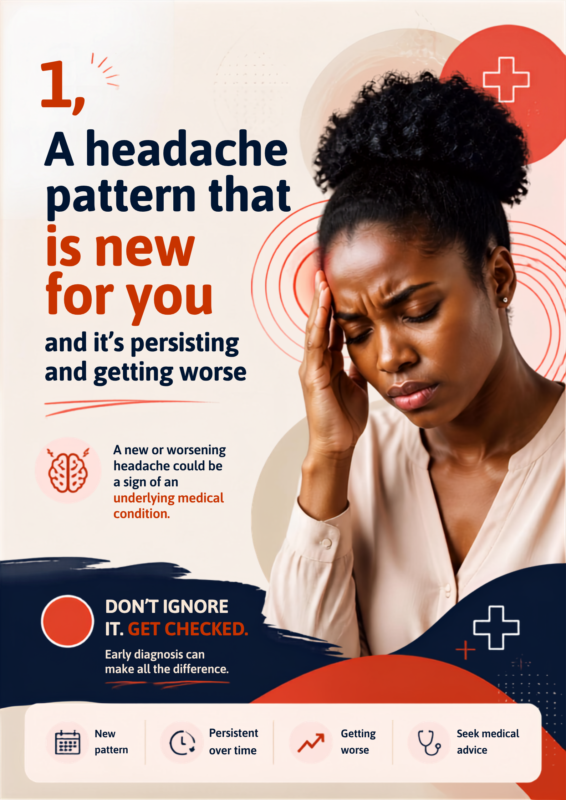
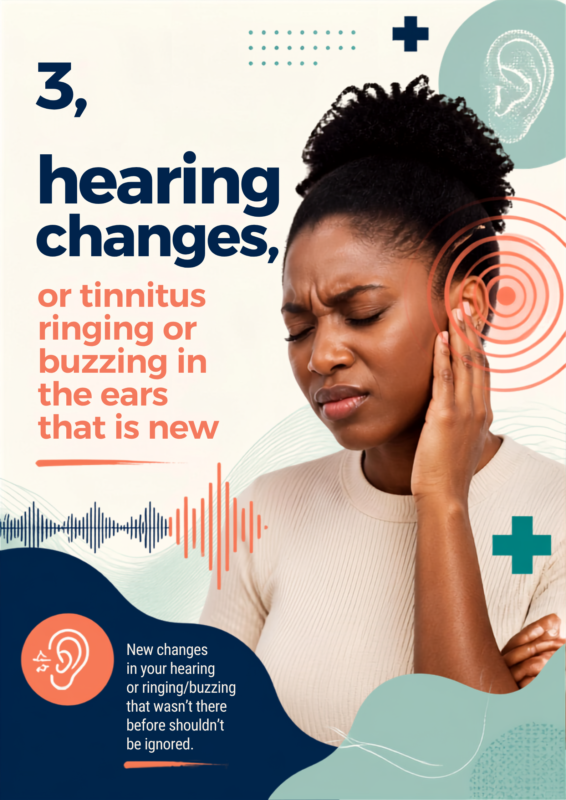
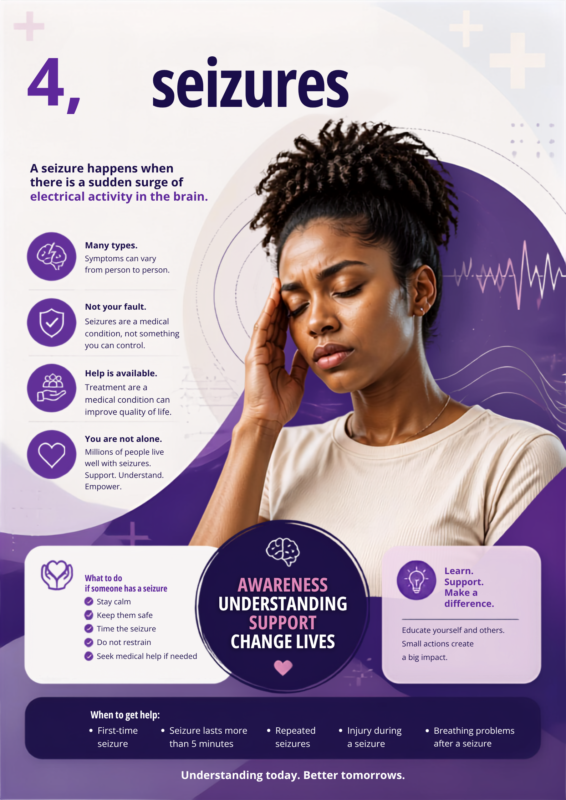
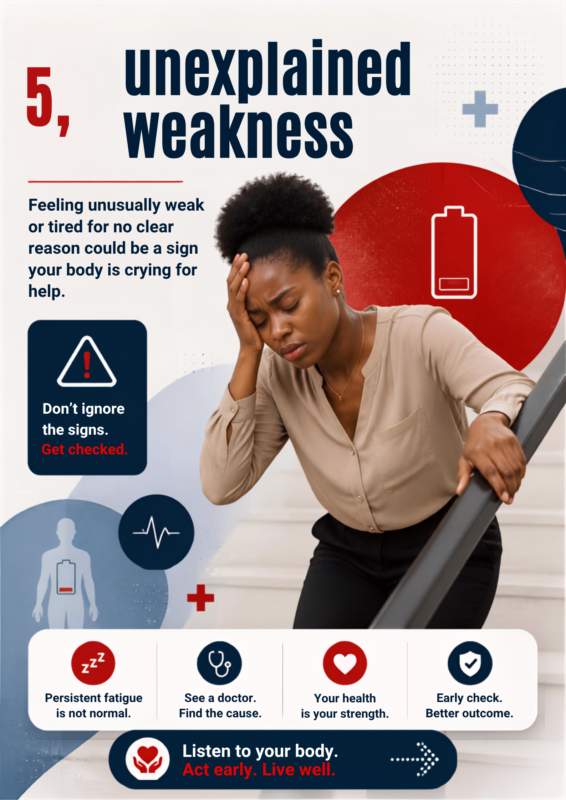
Seek medical advice for:
- New or worsening headache
- Changes in eyesight or hearing
- Ringing or buzzing in the ears
- Seizures
- Unexplained weakness
- Changes in personality or thinking.
These symptoms do not mean you have a meningioma, but they should be assessed.
Should you stop Depo?
Don’t stop Depo in a panic.
Stopping can bring bleeding changes, hormone changes, and the risk of pregnancy if you still need contraception.
Have a proper review of your individual risks, benefits, and priorities. If Depo is still the right method for you after that discussion, continuing it is a valid choice.
Key takeaway
The straightforward answer is that the risk of meningioma appears higher with Depo use, particularly with age and longer-term use, but the overall risk remains low. Most people who use Depo do not develop a meningioma.
⚠️ Important Disclaimer — If you are concerned about your Depo use, have a history of meningioma, or have anything that concerns you, speak to your doctor. This information is for educational purposes only and should not replace an assessment by a healthcare professional.
Want to know how your comment data is processed? Learn more

Leave a comment
Please fill in the field below to add a comment.