AskAwayHealth
Period Pain So Bad You Can’t Function? A GP Explains What’s Normal
May 2, 2026

You’ve cancelled plans, called in sick, curled up on a bathroom floor. And you’ve been told — by friends, maybe even by a GP — that this is just what periods are like. That you’re being dramatic. That you just need to push through.
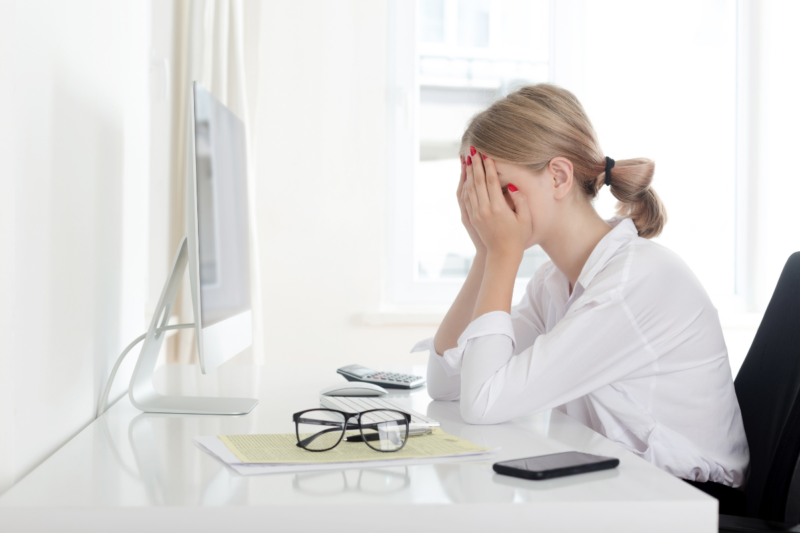
You’re not being dramatic. And some period pain is not normal. Here’s how to tell the difference — and what to do about it.
Watch First: 8 Reasons Your Period Blood Is Dark — And When to Worry
What’s “Normal” Period Pain?
Some cramping during a period is completely normal. When your womb contracts to shed its lining, it releases prostaglandins — hormone-like chemicals that cause those familiar cramps. Mild to moderate cramping in the first 1–2 days of your period, often easing with over-the-counter painkillers, is within the range of normal.
This is not normal:
- Pain that stops you working, attending school, or doing daily activities
- Pain that doesn’t respond to ibuprofen or paracetamol
- Pain that starts days before your period and continues after it ends
- Pain during sex, when going to the toilet, or at any point in your cycle outside your period
- Heavy bleeding alongside the pain (soaking a pad or tampon every hour)
- Getting progressively worse each month rather than staying the same
If any of the above apply to you — that is not just “bad periods.” That is a symptom that deserves investigation.
The Conditions Behind Severe Period Pain
Severe period pain has a medical name: dysmenorrhea. It comes in two types:
Primary dysmenorrhea — pain caused by the prostaglandins themselves, with no underlying condition. Common in teenagers and young adults. Usually improves with age or after pregnancy.
Secondary dysmenorrhea — pain caused by an underlying condition. This is the one that gets missed, delayed, and dismissed for years. Here are the most common culprits:
1. Endometriosis
Tissue similar to the womb lining grows outside it — on the ovaries, fallopian tubes, bowel, or bladder. Every month it responds to hormones, bleeds, and has nowhere to go.
Symptoms: Severe pelvic pain before and during periods, pain during sex (especially deep penetration), pain when opening your bowels or urinating during your period, fatigue, and sometimes difficulty getting pregnant.
The challenge: On average, it takes 8–10 years to diagnose endometriosis in the UK. Women are routinely told their pain is normal. It is not. Endometriosis affects 1 in 10 women of reproductive age.
What to ask your GP: “I’d like to be referred to a gynaecologist to investigate for endometriosis.” A laparoscopy (keyhole surgery) is the only definitive way to diagnose it. Don’t accept “just try the pill” as the only answer without further investigation.
2. Adenomyosis
Similar to endometriosis, but the tissue grows into the muscle wall of the womb rather than outside it. This causes the womb to become bulky (bigger) and painful.
Symptoms: Very heavy, prolonged periods, severe cramping, a feeling of pressure or bloating in the pelvis, and sometimes pain during sex.
Often missed because: It can only be seen on MRI or ultrasound (and even then, it’s not always obvious). It’s more common in women in their 30s and 40s who have had children — but it can affect younger women too.
3. Fibroids
Non-cancerous growths in or around the uterus. Fibroids don’t always cause pain, but larger fibroids or those inside the uterine cavity (submucosal fibroids) frequently cause heavy, painful periods.
Key distinction: Fibroids tend to cause heaviness and pressure rather than the intense cramping of endometriosis. But both can coexist.
4. PCOS (Polycystic Ovary Syndrome)
PCOS itself doesn’t typically cause painful periods — but irregular, infrequent periods can mean the uterine lining builds up more than usual, causing heavier and more painful bleeding when a period does arrive.
5. Pelvic Inflammatory Disease (PID)
An infection of the reproductive organs — usually caused by a sexually transmitted infection (STI) that wasn’t treated. This causes chronic pelvic pain, painful periods, and pain during sex.
Important: PID can cause permanent damage to the fallopian tubes if left untreated. If you have a new pelvic pain alongside unusual discharge or fever — go to your GP or sexual health clinic the same day.
Red Flag Symptoms — Don’t Normalise These
| Symptom | What it could mean |
| Pain during sex (deep pain) | Endometriosis, adenomyosis, ovarian cyst |
| Pain when opening bowels during your period | Endometriosis affecting the bowel |
| Period pain getting progressively worse each year | Endometriosis, adenomyosis |
| Severe pelvic pain between periods | Ovarian cyst, PID, endometriosis |
| Pain + heavy bleeding + fatigue | Fibroids, adenomyosis, anaemia |
| Pelvic pain + fever + discharge | PID — needs same-day treatment |
How to Talk to Your GP So They Actually Listen
This is the part the guide covers — and it matters. Here’s how to walk in prepared:
1. Describe the impact, not just the pain level. “My period pain is a 9/10” is easy to dismiss. “I called in sick last month, I couldn’t sit up for 6 hours, and ibuprofen does nothing” is not.
2. Use the word “function.” “My pain stops me from functioning” signals to your GP that this has crossed a clinical threshold. It changes the conversation.
3. Ask for something specific. “I’d like to be investigated for endometriosis” or “I’d like a pelvic ultrasound” gives your GP a direction rather than leaving it open to a ‘let’s wait and see.’
4. Track your symptoms before you go. A diary of your cycle — pain levels, duration, impact on daily life — is clinical evidence. It’s harder to dismiss a written pattern than a verbal complaint.
Treatment Options Your Doctor Might Not Mention
For pain relief:
- Take ibuprofen before your period starts if you know when it’s coming — it works better prophylactically (for prevention) than reactively
- Mefenamic acid (prescription-only) is stronger than standard ibuprofen and specifically targets prostaglandins
Hormonal options:
- The combined contraceptive pill — reduces prostaglandin production, often dramatically reduces pain
- The Mirena coil — releases progesterone locally, thins the lining, reduces both pain and bleeding
- Progestogen-only options — useful for women who cannot take oestrogen
For suspected endometriosis:
- Laparoscopy for diagnosis
- Specialist excision surgery (not just ablation — excision has better long-term outcomes)
- Referral to an endometriosis specialist centre if symptoms are severe
What doesn’t work:
- Being told to “try paracetamol” when you’ve been doing that for years
- Waiting years for a referral without a clear management plan in the interim
The Bottom Line
Period pain bad enough to stop you functioning is not normal. It is not weakness. It is a symptom — and it deserves investigation.
Know your red flags. Track your symptoms. Walk into your appointment with a specific ask. And if your GP dismisses you, ask again. Or ask to see someone else.
You’ve been putting up with this long enough.
Similar Topics
Review date
This post will be medically reviewed by April 2028
About the Author
Dr Sylvia Kama-Kieghe (FRCGP, FRSM, FRSPH) is a UK-based NHS General Practitioner with over 15 years’ experience in family medicine and women’s health. She is the founder of AskAwayHealth and works clinically in primary care, urgent care and digital health.
She is a honorary lecturer at the University of Sheffield Medical School and involved in teaching and supervising trainee doctors. Her clinical practice includes a strong focus on menopause, menstrual and fibroid-related problems, vulval and vaginal health, and preventive care for women across the life course.
Dr Sylvia is an RCGP (Royal College of General Practitioners) Digital Champion 2026 award finalist and has been shortlisted multiple times for the CAHN Black Healthcare Awards for her work in reducing health inequalities. She also collaborates with the Patient Information Forum (PIF) on projects tackling online health misinformation and improving the quality of patient information.
Through the AskAwayHealth YouTube channel and website, Dr Sylvia aims to provide clear, calm and clinically sound explanations that help women understand their symptoms, know which red flags to look for, and feel more confident when speaking to their own doctors.

Want to know how your comment data is processed? Learn more

Leave a comment
Please fill in the field below to add a comment.