AskAwayHealth
7 Reasons You Should Never Ignore a Vaginal or Vulval Lump
February 23, 2026
Introduction – Why That Lump Needs Attention

Finding a lump in or around your vagina or vulva can be frightening and uncomfortable. You might worry it’s cancer, a sexually transmitted infection, or something you did wrong – and it’s very common to delay getting help out of embarrassment.
I’m Dr Sylvia, a UK-based NHS and private GP with a special interest in women’s health. In this article, I’ll walk you through 7 common causes of vaginal or vulval lumps, what they look and feel like, and when you should seek urgent help.
This guide is for anyone who has noticed a new lump, swelling or bump around the vaginal opening or vulva and wants clear, calm information before they see a healthcare professional.
1. Bartholin’s Cyst
Near the opening of the vagina sit two small glands called Bartholin’s glands. They produce fluid to help lubricate the vagina.
- Typically felt as: a small, usually painless lump near one side of the vaginal opening
- It may stay small and cause no symptoms
- If it grows, it can cause pain when walking, sitting or during sex
If the cyst becomes infected, it can turn into a Bartholin’s abscess:
- Swelling grows quickly
- Area feels hot, red and extremely painful
- You may develop a fever
Treatment depends on severity and can include pain relief, antibiotics and sometimes a minor surgical procedure to drain the cyst or abscess.
2. Genital Warts
Genital warts are caused by low-risk strains of the human papillomavirus (HPV).
- Appear as small fleshy bumps in the genital area
- May be single or in clusters
- Usually painless but can grow and spread
Some disappear on their own within about six months, but many don’t and can be distressing.
Treatment options include:
- No treatment (in selected cases)
- Prescription creams
- Ablative treatments such as freezing or cautery, performed by trained clinicians
The HPV strains that cause warts are not the same ones that usually cause cervical cancer, but it’s still crucial to keep up-to-date with cervical screening (smear tests).
3. Genital Herpes
Genital herpes is caused by the herpes simplex virus and is passed on through sexual contact.
- Starts as painful, fluid-filled blisters in or around the vulva or vagina
- Blisters burst and leave red, open sores
- Often causes burning, itching or severe pain, especially when passing urine
- Some women also notice an unusual vaginal discharge
Once you have the virus, it stays in your body and can flare up from time to time. There is no cure, but:
- Pain relief and local care can ease symptoms
- If you seek help within five days of symptoms starting, antiviral medicines can shorten or reduce the severity of an outbreak
Herpes is highly transmissible from the first tingling/itch of a new outbreak until sores have fully healed. It can also be passed on when no visible sores are present.
4. Ingrown Hair
Shaving, waxing or plucking around the bikini area can lead to ingrown hairs:
- A hair curls back into the skin, causing a small, sore bump or “spot”
- Sometimes looks like a pimple with a tiny hair in or under it
These are usually harmless and may settle with simple measures:
- Warm compresses
- Avoid further shaving/waxing in that area
- See a clinician if it becomes large, very painful, or you feel unwell – it may have turned into a boil or skin infection.
5. Cystocele (Bladder Prolapse)
A cystocele happens when the bladder bulges into the vagina because the pelvic floor is weak.
- You might notice a lump or bulge inside the vagina
- Common in older women, those who’ve had multiple pregnancies, or are overweight
- May be associated with urinary symptoms (leaking, heaviness, incomplete emptying)
Pelvic floor exercises can help strengthen the area. In more severe cases, a pessary or surgery may be recommended.
6. Vulval or Vaginal Cancer (Rare, but Important)
Cancer in this area is uncommon, but it is a serious cause of lumps or irregular tissue.
Possible signs include:
- A lump, thickened area, or wound that doesn’t heal
- Persistent itching, burning or pain
- Bleeding or discharge not related to periods
Any change that persists for more than a few weeks, is getting worse, or looks irregular should be checked urgently by a doctor.
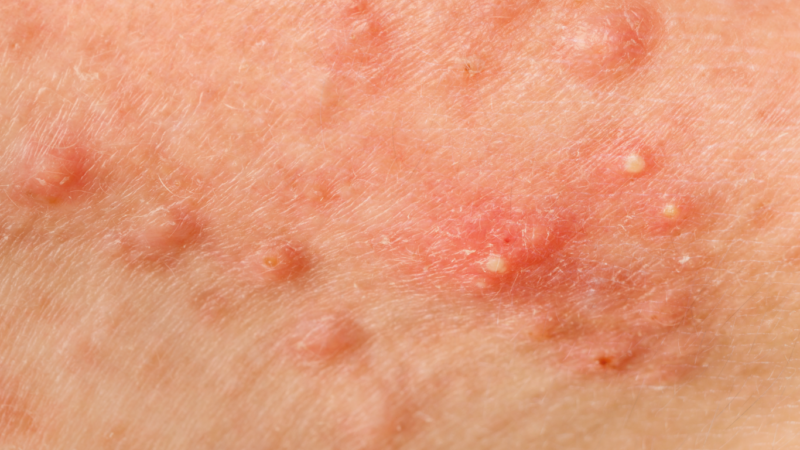
7. Pimples, Boils and Skin Conditions
Just like other parts of the body, the skin around the vulva can develop:
- Pimples or acne-like spots
- Boils that are red, swollen and painful
- Recurrent boils in the groin or armpits may suggest a condition called hidradenitis suppurativa
These often need assessment to rule out infection and may require antibiotics or long-term dermatology input.
When to See a Doctor – Red Flags You Shouldn’t Ignore
Seek urgent medical help (same-day GP, urgent care or A&E/ED) if:
- A lump becomes suddenly very painful, hot or swollen
- You have a fever or feel systemically unwell
- There is rapid change in size, colour or shape of a lump
- You have severe pain passing urine
- You notice unexplained bleeding or a wound that will not heal
Book a routine GP or sexual health appointment if:
- You notice any new, persistent lump or bump in the vulval/vaginal area
- You have recurrent lumps, boils or ingrown hairs
- You’re worried about possible STIs such as herpes or genital warts
What You Can Do Next
- Write down your symptoms – when you first noticed the lump, any pain, discharge, bleeding or triggers
- Avoid self-diagnosing based only on pictures online
- If you’re sexually active, consider visiting a sexual health clinic where they can examine you and test for infections confidentially
If you prefer video explanations, watch the video at the top of this page, where I talk through these seven causes with diagrams and examples in more detail.
If you’d like to stay updated when I release new resources on vulval and vaginal health, you can join my skool community (free) here list.
Disclaimer and Trusted Resources
This article is for general information only and is not a substitute for seeing your own doctor or sexual health clinic. Always seek personalised medical advice if you’re worried about a new lump, pain or change in your genital area.
You may find these resources helpful:
- NHS – Vulval cancer symptoms and signs: NHS vulval cancer
- NHS – Genital warts: NHS genital warts
- NHS – Genital herpes: NHS genital herpes
About the Author – Dr Sylvia Kama‑Kieghe
Dr Sylvia Kama-Kieghe (FRCGP, FRSM, FRSPH) is a UK-based NHS and private General Practitioner with over 15 years’ experience in family medicine and women’s health. She is the founder of AskAwayHealth and works clinically in primary care, urgent care and digital health.
She is a lecturer at the University of Sheffield Medical School, and involved in teaching and supervising trainee doctors. Her clinical practice includes a strong focus on menopause, menstrual and fibroid-related problems, vulval and vaginal health, and preventive care for women across the life course.
Dr Sylvia is a finalist for the Royal College of General Practitioners (RCGP) Content Creator 2024 award and has been shortlisted multiple times for the CAHN Black Healthcare Awards for her work in reducing health inequalities. She also collaborates with the Patient Information Forum (PIF) on projects tackling online health misinformation and improving the quality of patient information.
Through the AskAwayHealth YouTube channel and website, Dr Sylvia aims to provide clear, calm and clinically sound explanations that help women understand their symptoms, know which red flags to look for, and feel more confident when speaking to their own doctors.

Want to know how your comment data is processed? Learn more

Leave a comment
Please fill in the field below to add a comment.